Hemlock Removal in Burlington County, NJ
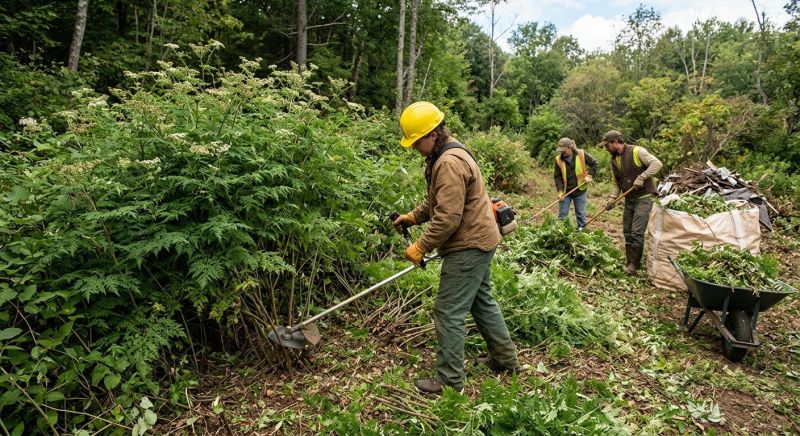
Hemlock removal services involve the careful and efficient elimination of hemlock trees from residential or commercial properties. This service is often requested for projects that include clearing overgrown landscapes, removing hazardous or diseased trees, or making space for new construction or landscaping efforts. Property owners typically want to understand the scope of removal, the potential impact on their landscape, and any necessary preparation or follow-up steps to ensure the health and safety of their property.
Before requesting hemlock removal, property owners usually seek information about the size and number of trees that can be safely removed, the equipment used, and any potential effects on surrounding plants or structures. It’s also common to inquire about the disposal process for the removed trees and whether additional services like stump grinding or land clearing are recommended. Having these details helps homeowners plan accordingly and ensure the removal process aligns with their landscape and property goals.
Many property owners in Burlington County, NJ look into Hemlock Removal for repairs, replacements, upgrades, and appearance-related improvements.
Safety And Property Protection
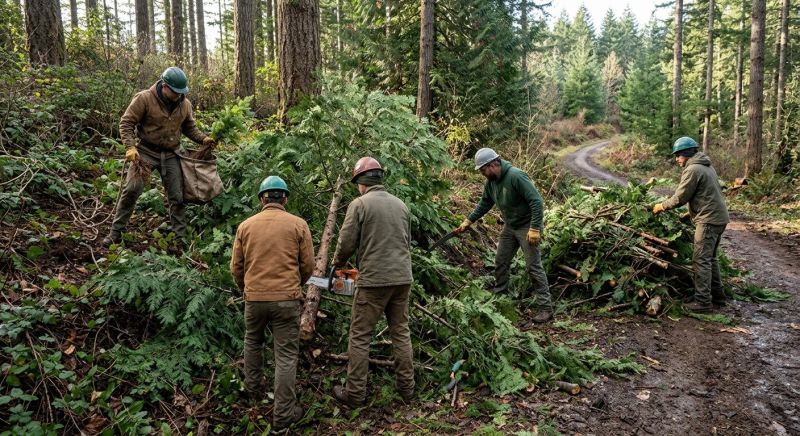
Removing hazardous hemlocks helps prevent damage to structures and reduces risks from falling branches.
Property Aesthetics And Landscaping
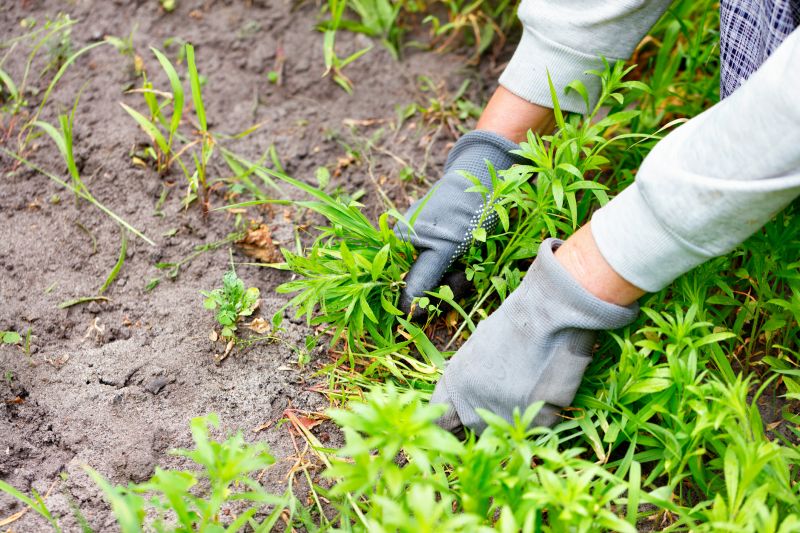
Hemlock removal can enhance the visual appeal and overall health of your landscape.
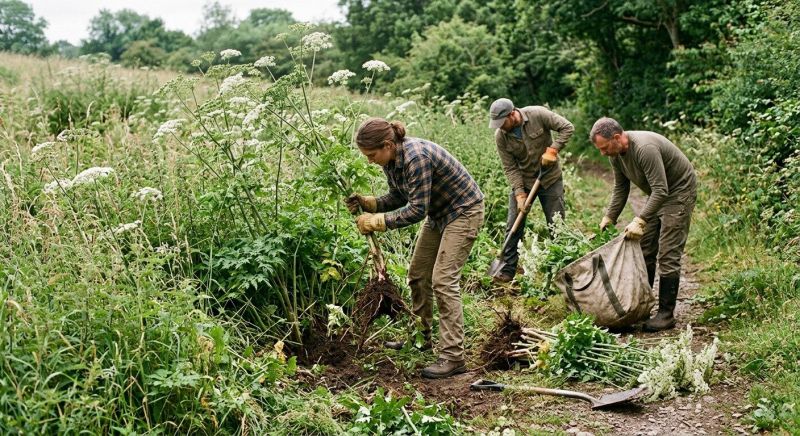
Tree Health And Maintenance
Proper removal supports the health of surrounding trees and maintains the balance of your outdoor space.
Hemlock Removal in Burlington County, NJ
Hemlock removal services involve the careful and efficient elimination of hemlock trees from residential or commercial properties. This service is often requested for projects that include clearing overgrown landscapes, removing hazardous or diseased trees, or making space for new construction or landscaping efforts. Property owners typically want to understand the scope of removal, the potential impact on their landscape, and any necessary preparation or follow-up steps to ensure the health and safety of their property.
Before requesting hemlock removal, property owners usually seek information about the size and number of trees that can be safely removed, the equipment used, and any potential effects on surrounding plants or structures. It’s also common to inquire about the disposal process for the removed trees and whether additional services like stump grinding or land clearing are recommended. Having these details helps homeowners plan accordingly and ensure the removal process aligns with their landscape and property goals.
Many property owners in Burlington County, NJ look into Hemlock Removal for repairs, replacements, upgrades, and appearance-related improvements.
Common Hemlock Removal Jobs
Hemlock removal - safe removal of invasive hemlock trees to protect surrounding vegetation.
Tree removal - complete removal of hazardous or unwanted hemlocks from the property.
Stump grinding - grinding out remaining hemlock stumps to prevent regrowth.
Selective clearing - targeted removal of hemlocks to improve landscape health.
Emergency hemlock removal - prompt services for fallen or dangerous trees after storms.
Property preservation - removing invasive hemlocks to maintain property value and aesthetics.
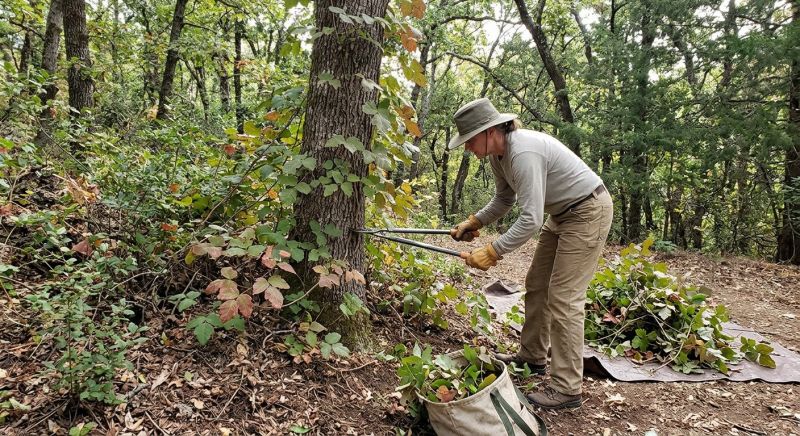
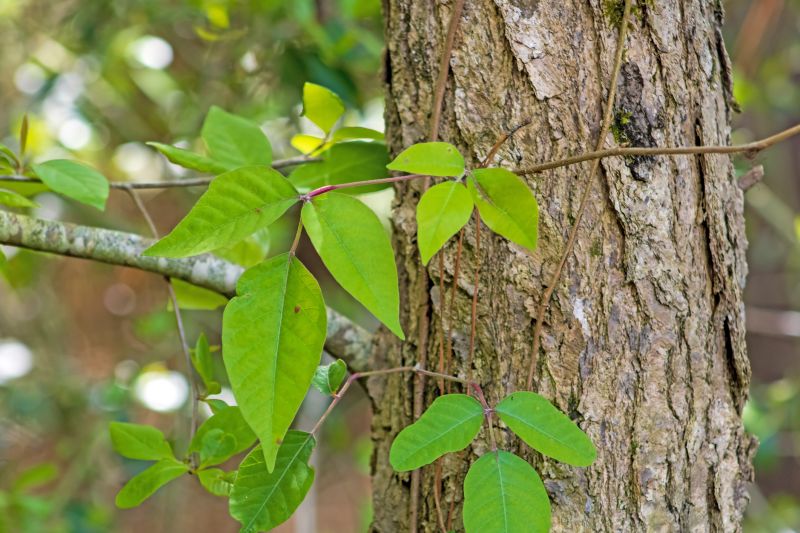
Hemlock Removal Questions
Why should Hemlock trees be removed? Hemlock trees may be removed to prevent disease spread, reduce safety hazards, or improve landscape aesthetics.
What signs indicate a Hemlock tree needs removal? Signs include extensive browning, dieback, pest infestation, or structural instability.
Is Hemlock removal necessary for safety? Yes, removing damaged or unstable Hemlock trees can reduce the risk of falling branches or trees.
How does Hemlock removal impact property appearance? Removal can enhance curb appeal by clearing overgrown or unsightly trees and opening up space.
Request Hemlock Removal in Burlington County, NJ
Use the quote form on this page to share the basics of your project and request more information for the type of work you need.